
Modern industries operate in conditions where materials are constantly exposed to moisture, chemicals, abrasion, and fluctuating temperatures. In such demanding environments, protecting metal components is not optional—it is essential. One of the most reliable and widely adopted surface protection methods is zinc coating, valued for its ability to enhance durability while maintaining material performance. This article explores how zinc coating works, why it is suitable for tough environments, and the role it plays across industrial applications.
Understanding Zinc Coating and Its Purpose
Zinc coating is a protective process where a thin layer of zinc is applied to a metal surface, typically steel or iron. The primary function of this coating is corrosion resistance. Zinc acts as a sacrificial layer, meaning it corrodes before the base metal does, thereby extending the lifespan of the component.
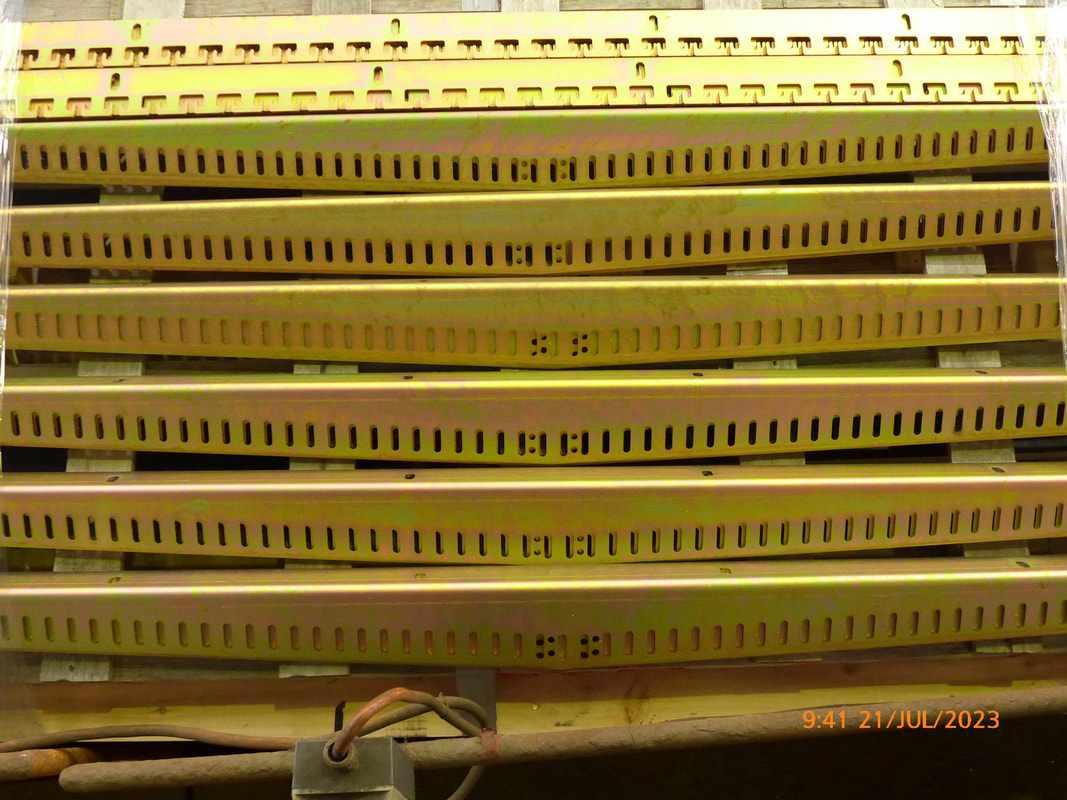
Unlike paint or polymer coatings, zinc bonds at a metallic level, offering stronger adhesion and consistent coverage, even on complex shapes and threaded parts. This makes Zinc Coating particularly valuable in environments where mechanical wear and environmental exposure occur simultaneously.
Why Zinc Coating Performs Well in Harsh Conditions
Tough environments demand more than basic surface protection. Zinc coating is designed to perform under stress due to several inherent advantages:
1. Superior Corrosion Resistance
Zinc reacts with oxygen and moisture to form zinc oxide and zinc carbonate, creating a stable barrier against further corrosion. Even if the surface is scratched, the surrounding zinc continues to protect the exposed metal.
2. Durability Under Mechanical Stress
Components used in construction, automotive, and heavy machinery are subject to friction and impact. Zinc-coated surfaces provide consistent protection without cracking or peeling, a common issue with non-metallic coatings.
3. Cost-Effective Long-Term Protection
While initial processing may involve specialized techniques, zinc coating reduces long-term maintenance and replacement costs, making it suitable for large-scale industrial use.
Industrial Applications of Zinc Coating
Across multiple sectors, zinc coating has become a standard due to its reliability and adaptability.
In manufacturing and infrastructure projects, Industrial Electroplating is often used to apply zinc coatings with precise thickness control. This ensures uniform protection for fasteners, brackets, pipes, and structural components that operate in outdoor or chemically active environments.
Similarly, Zinc Electroplating is commonly preferred for components requiring a smooth finish along with corrosion resistance. This process allows for tighter tolerances, making it suitable for precision parts used in electrical systems and mechanical assemblies.
Regional Relevance and Technical Expertise
In regions with coastal climates or high industrial activity, corrosion risks are significantly higher. This has increased the demand for specialized surface treatment services such as Electroplating Melbourne, where environmental exposure and industrial density create unique challenges for metal longevity.
Likewise, Zinc Plating Melbourne is often associated with applications requiring compliance with strict quality and environmental standards. These processes are engineered to meet performance expectations without compromising material integrity, making them suitable for both heavy-duty and precision-based uses.
Environmental and Compliance Considerations
Modern zinc coating processes are continually evolving to align with environmental regulations and sustainability goals. Advanced filtration, waste treatment, and controlled chemical usage have reduced the environmental footprint of electroplating operations.
Additionally, zinc-coated materials often contribute to sustainability by extending product life cycles, reducing the need for frequent replacements, and minimizing raw material consumption. When applied correctly, zinc coatings meet international standards for safety, performance, and environmental compliance.
Choosing the Right Zinc Coating Method
Not all zinc coatings are identical. The choice of method depends on factors such as:
Exposure conditions (humidity, chemicals, salt spray)
Required coating thickness
Component geometry and tolerance
Intended lifespan of the product
Understanding these parameters helps engineers and manufacturers select the most effective coating strategy, ensuring optimal performance in demanding environments.

Conclusion
Zinc coating remains a cornerstone of metal protection in industries that operate under tough environmental conditions. Its ability to resist corrosion, withstand mechanical stress, and adapt to diverse applications makes it a dependable solution for long-term durability. As industrial demands continue to evolve, zinc coating technologies are advancing in parallel, offering enhanced performance while meeting modern environmental and quality standards. By understanding how zinc coating functions and where it excels, stakeholders can make informed decisions that support reliability, safety, and sustainability in challenging operating environments.



Write a comment ...